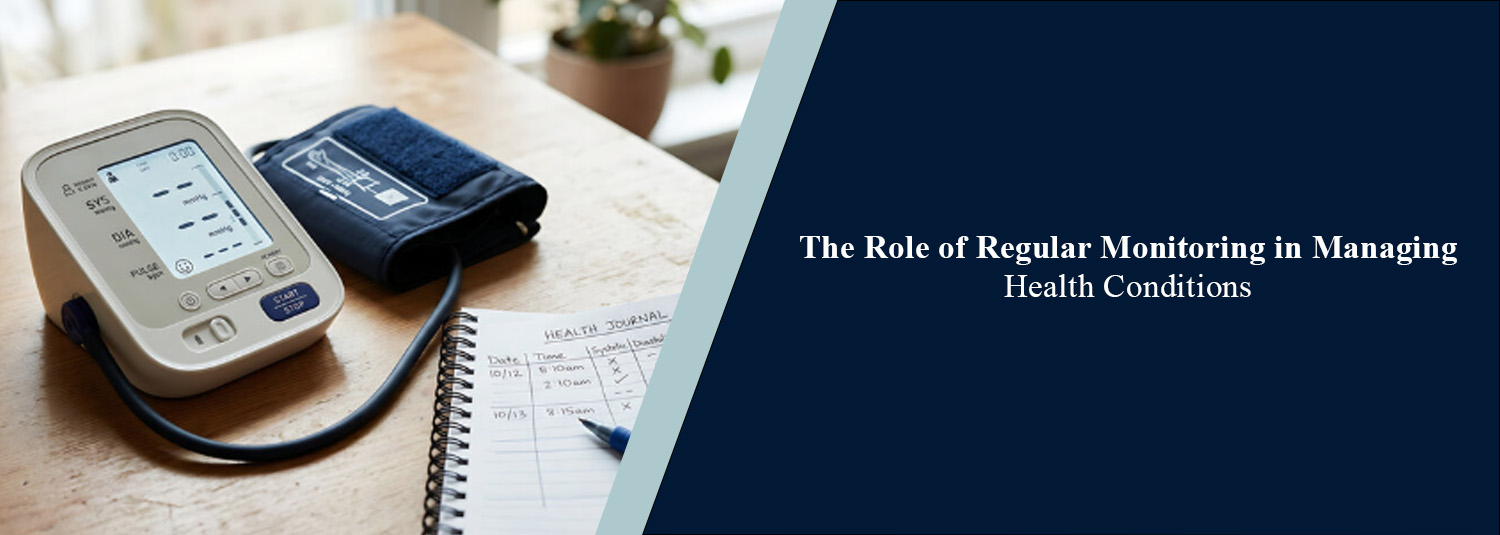
Living with a health condition doesn't stop once you have your diagnosis or you begin treatment. Long-term healthcare establishing regular monitoring is essential for monitoring changes in health status, evaluating the progression of a condition, and identifying appropriate medical interventions at an opportune time. The monitoring of the condition can include periodic medical appointments, blood tests, imaging tests, physical checks, and other tests. The kind of monitoring and how often varies according to individual medical requirements and expert medical recommendations.
What Is Regular Health Monitoring?
Health monitoring is the process of regularly measuring certain health parameters or symptoms to track how a health condition changes over time. It can apply to both short-term and long-term medical situations; for example, diabetics may need periodic blood glucose checks, while those with thyroid conditions may need periodic thyroid function tests.
Monitoring Chronic Health Conditions
People living with chronic conditions often require ongoing monitoring. Conditions such as diabetes, thyroid disorders, high blood pressure, kidney disease, and certain cardiovascular conditions may require periodic assessment. Regular testing can provide information about relevant health parameters and help healthcare professionals evaluate whether the condition is being adequately controlled.
Comparing Test Results Over Time
The data from a single test is used to answer questions about health at a specific moment in time. If medically sound, repeated testing can give a more complete clinical picture of the trend of certain health parameters. Healthcare providers can use this information to compare results across visits and identify trends. However, modifications of test results should always be considered alongside symptoms, medications, medical history, etc.
Monitoring Treatment Response
Regular checks may also help healthcare professionals determine a person's response to treatment. Progress will be assessed using specific laboratory/imaging tests, depending on condition and treatment. In cases where results change unexpectedly, the healthcare professional may suggest further testing or examination or review the management plan. Do not vary or discontinue prescribed medication without consulting with the health care professional based on a test result.
Regular Monitoring Can Support Early Action
Continued monitoring can help catch changes before they really are more apparent. If the result is abnormal, it can be used to get an opportunity for further evaluation, if done early. An abnormal test result doesn't necessarily mean there is a serious problem. Professional interpretation is important, as there could be temporary variations and lab differences.
Monitoring After Treatment or Procedures
Follow-up monitoring is needed for some people following medical treatment, surgery, or other procedures. The reason can be to see how recovered they are, to look for complications, or to see if they require any more care. The follow-up schedule will vary by both type of treatment and health conditions.
The Importance of Keeping Health Records
It may be helpful to bring old exam or lab reports for repeat visits. A history of results is given to enable the health care providers to see the changes over time, rather than examining a single result. When necessary, digital and/or paper records can also aid patients in better communication between various healthcare professionals.
Avoiding Unnecessary Testing
Regular monitoring does not necessarily mean all of the tests available. Unnecessary or too many tests can result in inconclusive testing and further testing. The aim is to adhere to an appropriate monitoring plan tailored to the medical condition, individual risk factors & professional advice.
Conclusion
Regular monitoring is a critical function in caring for numerous health conditions. Regular checkups, timely diagnostics, and analyses of health outcomes over time can give physicians insights into changes and inform decision-making. Having a personalized monitoring plan can also assist patients in staying more tuned into their health and following suggested care better. For continued health management, Molecular Diagnostics and Therapy enables its own monitoring via its diagnostic services, which help with regular monitoring, follow-up testing, and medical evaluation.